

Hair fall is common, but excessive or persistent hair shedding should not always be blamed on stress, shampoo, pollution, or genetics. In many cases, an underlying hormonal or nutritional problem may affect the normal hair-growth cycle.
According to Dr. Navjot Singh Arora, Founder and Chief Dermatologist at Dermaheal Skin & Hair Clinic, Dwarka, conditions such as thyroid disorders, PCOS, and certain nutrient deficiencies can contribute to hair thinning or increased hair fall.
The important point is simple: hair fall treatment should begin by identifying the cause.
Can Thyroid Problems Cause Hair Fall?
Yes. Both an underactive thyroid and an overactive thyroid can affect hair health.
The thyroid gland produces hormones that influence several functions in the body. When thyroid hormone levels are abnormal, the normal hair-growth cycle can be disturbed. Some people may notice increased shedding, thinner hair, dry or brittle hair, or thinning of the eyebrows.
Thyroid-related hair loss may occur gradually and can sometimes be overlooked because people may assume that increased shedding is simply due to stress or seasonal changes.
If hair fall is accompanied by symptoms such as unexplained weight changes, unusual tiredness, changes in temperature tolerance, dry skin, or other hormonal symptoms, discussing thyroid evaluation with a qualified doctor may be appropriate.
Treating the underlying thyroid condition may help improve hair shedding, although the time required for hair recovery can vary from person to person.
Can PCOS Cause Hair Fall in Women?
Yes. PCOS can contribute to hair thinning and hair loss because it can affect hormonal balance.
Women with PCOS may experience a combination of symptoms such as irregular periods, acne, increased facial or body hair, weight changes, and thinning scalp hair. However, not every woman with PCOS will experience the same symptoms.
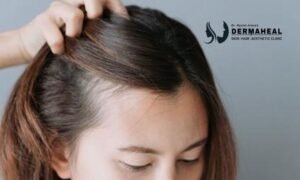
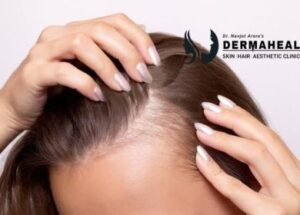
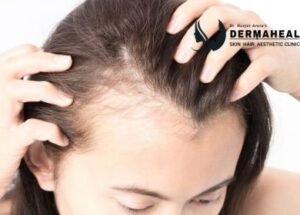
Hormonal changes associated with PCOS can influence the hair follicles and may contribute to scalp hair thinning. This type of hair loss may be more noticeable around the crown or the central parting of the scalp.
If hair thinning occurs along with irregular periods, acne, unwanted facial hair, or other signs of hormonal imbalance, it is useful to investigate the underlying cause instead of treating hair fall alone.
A dermatologist may work alongside a gynecologist or endocrinologist when hormonal evaluation is required.
Which Nutrient Deficiencies Can Cause Hair Fall?
Hair follicles require adequate nutrition to function properly. A deficiency of certain nutrients can contribute to increased shedding or weaker hair.
Common nutrients associated with hair health include:
- Iron
- Protein
- Zinc
- Vitamin D
- Vitamin B12
- Biotin
Iron and protein deficiency are particularly important nutritional factors to consider when someone has unexplained hair shedding.
However, taking supplements without knowing whether you are deficient is not always a good idea. Excessive intake of some vitamins and minerals can also cause health problems and may sometimes contribute to hair loss.
For this reason, nutritional supplements should ideally be taken based on professional advice and, where appropriate, test results.
Why Finding the Root Cause of Hair Fall Matters
Hair fall does not have one universal treatment.
Two people can have similar-looking hair loss but completely different causes. One person may have thyroid-related shedding, while another may have PCOS, nutritional deficiency, genetic hair loss, stress-related shedding, or a scalp condition.
This is why a proper dermatological evaluation is important.
At Dermaheal Skin & Hair Clinic, hair-loss evaluation can include an assessment of the scalp and hair, detailed medical history, and additional investigations when clinically appropriate.
A dermatologist may also use trichoscopy, a specialised examination of the scalp and hair follicles, to understand the pattern and characteristics of hair loss.
The treatment plan can then be selected according to the suspected cause, medical history, scalp condition, and type of hair loss.
What Tests May Be Recommended for Hair Fall?
There is no single blood test that is necessary for every person with hair loss.
Depending on your symptoms and medical history, a dermatologist may recommend investigations to look for possible hormonal or nutritional causes.
These may include tests related to:
- Thyroid function
- Iron status
- Vitamin D
- Vitamin B12
- Other nutritional markers
- Hormonal evaluation when PCOS or another hormonal condition is suspected
Testing should be guided by a medical professional rather than ordering every possible test independently.
For example, a woman experiencing hair thinning along with irregular periods may require a different evaluation from someone experiencing sudden hair shedding after an illness.
What Should You Do If Your Hair Is Falling Excessively?
If you notice persistent or increasing hair shedding, do not immediately start multiple hair-growth supplements or treatments.
Instead, consider the following questions:
1. When did the hair fall begin?
Sudden shedding can have different causes from gradual thinning. Recent illness, fever, surgery, major stress, or significant dietary changes may sometimes trigger increased shedding.
2. Are you experiencing other symptoms?
Changes in periods, weight, energy levels, skin, or body hair can provide important clues about possible hormonal or nutritional causes.
3. Has your diet changed?
Low-protein diets, restrictive diets, inadequate food intake, or significant weight loss may affect hair health.
4. Have you recently experienced illness or major stress?
Illness, fever, surgery, emotional stress, and other major physical changes can sometimes trigger temporary hair shedding.
5. Is your scalp healthy?
Dandruff, inflammation, infection, itching, or other scalp conditions can also contribute to hair problems and should be evaluated separately.
The key is to identify why the hair is falling, rather than simply trying different hair products.
Can Hair Grow Back After Treating the Cause?
In many cases, hair can improve when a reversible underlying cause is identified and appropriately treated.
For example, thyroid-related hair loss may improve after the thyroid disorder is properly managed. Similarly, correcting a confirmed nutritional deficiency can support healthier hair growth.
However, recovery depends on several factors, including:
- Type of hair loss
- Duration of hair loss
- Underlying cause
- Condition of the hair follicles
- Overall health
- Whether multiple causes are present
Genetic hair loss may require a different long-term treatment strategy.
This is why diagnosing the type and cause of hair loss is more important than simply choosing a hair-growth product.
When Should You See a Dermatologist for Hair Fall?
Consider seeing a dermatologist if you experience:
- Sudden or excessive hair shedding
- Noticeable scalp thinning
- Widening of the hair part
- Receding hairline
- Bald patches
- Hair loss with scalp itching or inflammation
- Hair fall along with irregular periods or other hormonal symptoms
- Hair fall after significant weight loss or dietary changes
- Hair fall that continues despite improving your diet and hair-care routine
Early evaluation can help identify the possible cause and guide an appropriate treatment plan.
At Dermaheal Skin & Hair Clinic in Dwarka, Dr. Navjot Singh Arora and the dermatology team take a cause-focused approach to hair-loss concerns. Treatment recommendations can vary depending on whether the hair loss is related to hormonal imbalance, nutritional deficiency, genetics, scalp conditions, or another factor.
Frequently Asked Questions
1. Can thyroid problems cause excessive hair fall?
Yes. Thyroid disorders can disturb the normal hair-growth cycle and may cause increased shedding, thinning, dry hair, or other hair changes. Managing the underlying thyroid condition may help improve hair loss.
2. Does PCOS cause hair thinning?
PCOS can contribute to scalp hair thinning because hormonal changes may affect hair follicles. Women with PCOS may also experience symptoms such as irregular periods, acne, increased facial hair, or weight changes.
3. Which vitamin deficiency causes hair fall?
Several nutritional deficiencies may contribute to hair loss. Iron, zinc, protein, vitamin D, vitamin B12, and biotin may be relevant depending on the individual. Testing and professional evaluation can help determine whether a deficiency is actually present.
4. Should I take hair-growth supplements without a blood test?
It is better not to take high-dose supplements without professional guidance. If you are not deficient, unnecessary supplementation may provide little benefit, while excessive intake of some nutrients can be harmful.
5. When should I see a dermatologist for hair fall?
You should consider a dermatology consultation when hair shedding is excessive, persistent, sudden, associated with visible thinning or bald patches, or accompanied by symptoms suggesting hormonal or nutritional problems. A dermatologist can help identify the likely cause and recommend an appropriate treatment approach.
For more information, visit our Home Page. Contact us for more details.
https://dermaheal.co.in/#contact
https://dermaheal.co.in/gallery
https://dermaheal.co.in/results
Take the First Step Towards Understanding Your Hair Fall
Persistent hair fall is not something you have to manage by trial and error. Thyroid disorders, PCOS, nutritional deficiencies, genetics, stress, and scalp conditions can all require different approaches.
If you are experiencing unexplained hair fall or visible thinning, consult a qualified dermatologist for a proper evaluation rather than relying only on supplements, oils, or random hair products.
Book a hair-loss consultation at Dermaheal Skin & Hair Clinic in Dwarka with Dr. Navjot Singh Arora and get a personalised plan based on the underlying cause of your hair loss.
Visit Dermaheal Skin & Hair Clinic
📍 Address:
C-712, Ramphal Chowk, Block D, Sector 7 Dwarka, Palam, near Shiksha Bharti School, New Delhi – 110075
📞 Contact:
+91 80809 10191 · +91 73794 64999
📧 Email:
info.dermaheal@gmail.com
🕒 Clinic Timings:
Monday to Saturday: 10:00 AM – 7:30 PM
Sunday: 10:00 AM – 7:00 PM
Book Your Consultation Today and take the first step toward understanding and managing your hair fall.