
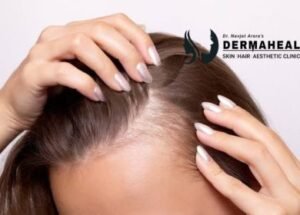
Hair loss is often associated with men, but women can experience hair shedding, thinning, and visible hair loss at different stages of life. Seeing more hair on your pillow or in the shower may be temporary, but persistent thinning can sometimes indicate an underlying condition that needs attention.
So, what causes hair loss in women, and when should you see a dermatologist?
The answer depends on the pattern, duration, and possible trigger. Common causes include hereditary hair loss, hormonal changes, stress, illness, nutritional deficiencies, certain medicines, scalp conditions, and hairstyles that repeatedly pull on the hair. Because different causes require different treatments, identifying the cause is an important first step.
Is Hair Shedding Normal for Women?
Yes. Losing some hair every day is normal. The American Academy of Dermatology notes that people normally shed around 50 to 100 hairs a day as part of the natural hair-growth cycle.
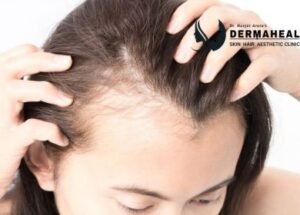
The concern begins when shedding becomes noticeably heavier, the scalp becomes more visible, the hair part becomes wider, or you develop bald patches.
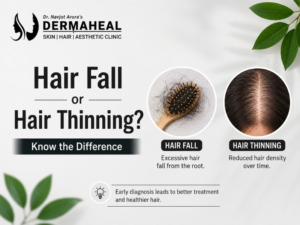
Hair shedding and hair loss are also not always the same thing. Temporary excessive shedding may happen after an illness, major stress, significant weight loss, or childbirth. In other cases, the hair follicles may be affected by a condition that causes ongoing thinning.
What Are the Common Causes of Hair Loss in Women?
There are many possible causes of hair loss in women. Some are temporary, while others may gradually progress without treatment.
1. Female Pattern Hair Loss
Female pattern hair loss is one of the most common causes of hair loss in women. It is often hereditary and may become more noticeable with age.
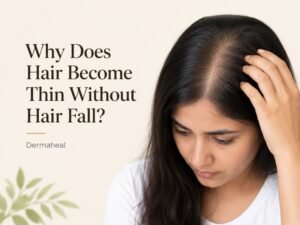
A common early sign is a widening hair part. Some women may also notice reduced density around the crown or temples. Unlike some forms of hair loss that cause completely bald areas, female pattern hair loss often appears as gradual overall thinning.
Early diagnosis can be useful because treatment may help slow further loss and improve hair density in suitable patients.
2. Stress and Illness
Physical or emotional stress can sometimes trigger excessive hair shedding.
This may happen after:
- A significant illness
- High fever
- Surgery
- Severe stress
- Major weight loss
- Certain medical treatments
This type of shedding may occur some time after the original trigger rather than immediately. In some cases, hair growth gradually returns after the underlying problem has resolved.
3. Pregnancy and Postpartum Hair Loss
Many women notice increased hair shedding after giving birth. This happens because changes in the hair-growth cycle around pregnancy can lead to increased shedding later.
Postpartum shedding is often temporary, and hair may gradually regain fullness. However, if significant thinning continues or another pattern of hair loss is suspected, a dermatologist can evaluate the scalp and hair-growth cycle.
4. Hormonal Changes
Hormonal changes can influence hair growth.
Some women may notice hair thinning around menopause, while others may experience hair changes associated with hormonal disorders. If hair loss occurs together with symptoms such as irregular periods, increased facial or body hair, or significant acne, a doctor may consider whether a hormonal issue could be contributing.
5. Nutritional Deficiencies
Certain nutritional problems can contribute to hair shedding.
Iron deficiency is one possible factor, particularly when hair loss occurs along with other symptoms. Depending on your history and examination, a dermatologist may recommend blood tests to check for nutritional deficiencies, hormone problems, or other medical causes.
It is better to test for a deficiency before taking high-dose supplements. Some supplements can be unnecessary or even worsen hair loss when taken in excess.
6. Tight Hairstyles and Hair Damage
Regularly wearing very tight ponytails, braids, buns, or other hairstyles that pull strongly on the hair can contribute to traction alopecia.
Repeated tension can damage hair follicles over time. Early changes may include thinning around the hairline or areas where the hair is repeatedly pulled. Reducing the tension early may help prevent further damage.
7. Scalp Conditions and Other Medical Causes
Hair loss can also occur with scalp infections, inflammatory scalp conditions, autoimmune disorders, or other medical problems.
For example, alopecia areata can cause sudden, round or patchy areas of hair loss. Some conditions may also cause itching, scaling, redness, pain, or inflammation of the scalp.
This is one reason self-diagnosing hair loss can be difficult. Several different conditions can look similar at first but require different treatment approaches.
How Can You Tell If Your Hair Loss Needs Medical Attention?
You should consider seeing a dermatologist if you notice:
- Gradually increasing hair thinning
- A widening centre part
- A thinner ponytail
- Sudden or heavy hair shedding
- Round or clearly defined bald patches
- Hair loss along the hairline
- Scalp redness, scaling, itching, or pain
- Hair loss that continues for several months
- Hair loss along with other hormonal symptoms
- Hair loss that is affecting your confidence or daily life
It is not necessary to wait until hair loss becomes severe. Dermatologists recommend early evaluation because identifying the cause can help guide treatment, and some forms of hair loss respond better when treatment begins early.
How Is Hair Loss in Women Diagnosed?
A dermatologist usually begins by asking about your hair-loss pattern, how long it has been happening, recent illnesses or stress, medicines, family history, diet, hormonal changes, and hair-care practices.
The scalp and hair may then be examined closely. A dermatologist may also perform a gentle hair-pull test or other examination techniques.
If a medical cause is suspected, blood tests may sometimes be recommended to investigate issues such as nutritional deficiencies or hormonal problems. In selected cases, a scalp biopsy may be needed.
The goal is not simply to treat hair fall. It is to understand why the hair is falling out.
What Treatments Are Available for Female Hair Loss?
Treatment depends entirely on the underlying cause.
For female pattern hair loss, minoxidil is one established treatment option and is commonly recommended for appropriate patients. Results take time, and continued use is generally needed to maintain benefits.
Depending on the diagnosis, a dermatologist may also consider other prescription treatments, treatment of an underlying medical condition, or hair-restoration procedures.
Some clinics also offer treatments such as platelet-rich plasma (PRP) for selected hair-loss conditions. However, evidence and suitability can vary by diagnosis, so these treatments should be discussed with a qualified dermatologist rather than treated as a universal solution.
There is also no single hair-loss treatment that works for every woman. Correct diagnosis is therefore more important than choosing a treatment based only on advertisements or online recommendations.
Can Hair Loss in Women Be Prevented?
Not every type of hair loss can be prevented, particularly hereditary or medical forms. However, some habits can help reduce avoidable hair damage.
You can:
- Avoid hairstyles that constantly pull on the scalp
- Handle wet hair gently
- Avoid excessive heat and harsh chemical treatments
- Eat a balanced diet
- Avoid unnecessary high-dose supplements
- Treat scalp conditions early
- Seek medical advice if persistent shedding develops
If hair loss continues despite changes to your hair-care routine, professional evaluation is more useful than repeatedly changing shampoos or supplements.
Frequently Asked Questions
1. What is the most common cause of hair loss in women?
Female pattern hair loss is one of the most common causes of hair loss in women. It is usually hereditary and often appears as gradual thinning, particularly around the centre part and crown.
2. When should a woman see a dermatologist for hair loss?
You should consider seeing a dermatologist when hair loss is sudden, persistent, worsening, associated with bald patches or scalp symptoms, or accompanied by other health or hormonal changes. Early evaluation can help identify the cause and guide treatment.
3. Can stress cause hair loss in women?
Yes. Significant physical or emotional stress can trigger increased hair shedding. This type of shedding may occur after the stressful event and can improve when the underlying trigger is resolved.
4. Can hair loss after pregnancy grow back?
Postpartum hair shedding is common and is often temporary. Hair may gradually regain fullness as the normal growth cycle returns. Persistent or significant thinning should be evaluated to rule out another cause.
5. Is hair loss in women treatable?
Many forms of hair loss can be treated or managed, but the appropriate treatment depends on the cause. A dermatologist can diagnose the condition and recommend treatment based on the individual’s hair and scalp findings.
Suggested Links
https://dermaheal.co.in/#contact
https://dermaheal.co.in/gallery
https://dermaheal.co.in/treatments
https://dermaheal.co.in/concerns
https://dermaheal.co.in/doctors
https://dermaheal.co.in/results
When Should You Take Hair Loss Seriously?
Seeing a few hairs in your brush is usually not a reason to panic. But persistent shedding, widening of the hair part, visible scalp, bald patches, or progressive thinning should not be ignored.
Hair loss has many possible causes, and the right treatment starts with finding the cause. Early assessment can be particularly useful for conditions where treatment can help slow progression or support regrowth.
If you are experiencing persistent hair fall or thinning hair, consult a dermatologist at Dermaheal for a professional assessment. A personalised evaluation can help identify the likely cause and determine which treatment options may be appropriate for your hair and scalp.
Book your consultation with Dermaheal today and take the first step toward understanding your hair loss.