
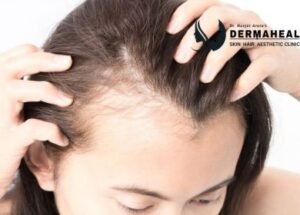
Noticing more scalp than usual, a wider hair part, or a thinner ponytail can be worrying. Many people immediately ask: Can hair thinning be reversed?
The answer is: sometimes, yes. Hair thinning can improve or even partially reverse when the underlying cause is identified early and treated appropriately. However, not every type of hair loss is fully reversible. The outcome depends on the cause, how long the condition has been present, and whether the hair follicles are still capable of producing healthy hair.
Hair thinning can result from genetics, hormonal changes, nutritional deficiencies, stress, illness, certain medications, scalp conditions, or repeated tension on the hair. Because there are many possible causes, finding the correct diagnosis is an important first step.
Can Hair Thinning Be Reversed?
Hair thinning may be reversible in some cases, especially when it is caused by a temporary condition such as illness, significant weight loss, nutritional deficiency, stress, or certain hormonal changes.
Other types, such as hereditary or pattern hair loss, may not be completely reversed, but treatment can often help slow further thinning and may improve hair density in some people.
According to the American Academy of Dermatology, early treatment tends to provide better results for many types of hair loss.
This is why waiting until significant hair loss occurs may make treatment more difficult.
What Causes Hair Thinning?
Hair thinning has many possible causes. Some of the most common include:
1. Hereditary Hair Loss
Genetics is one of the most common causes of hair thinning in both men and women.
In men, hereditary hair loss may begin with a receding hairline or thinning around the crown. In women, it commonly appears as overall thinning or a widening part.
This type of hair loss can progress gradually because affected hair follicles become smaller over time. Early treatment may help slow progression and support regrowth in some people.
2. Stress and Illness
Major physical or emotional stress can sometimes affect the normal hair-growth cycle.
Hair shedding may increase after a significant illness, surgery, high fever, major weight loss, or another physical stressor. In some situations, hair gradually becomes fuller again once the underlying trigger is resolved.
3. Nutritional Deficiencies
Low levels of certain nutrients can contribute to hair loss.
Iron deficiency is one recognized possible cause, while an excessively restrictive diet or inadequate nutrition may also affect hair health. However, taking supplements without knowing whether you actually have a deficiency is not always helpful. Some excessive nutrient intake can even worsen hair loss.
4. Hormonal Changes
Hormonal changes can affect hair growth.
For example, hormonal conditions such as PCOS can be associated with scalp hair thinning in women. Other hormonal changes may also influence the hair-growth cycle.
If hair thinning occurs alongside other symptoms such as irregular periods or increased facial hair, discussing the symptoms with a doctor can be important.
5. Tight Hairstyles and Hair Damage
Repeatedly pulling the hair into tight hairstyles can put stress on the follicles.
This condition is called traction alopecia. If the pulling continues for a long time, hair loss can become permanent. Early changes to hairstyling habits may help prevent further damage.
What Are the Early Signs of Hair Thinning?
Hair thinning can develop slowly, so the first signs may be easy to overlook.
Watch for:
- A widening hair part
- A thinner ponytail
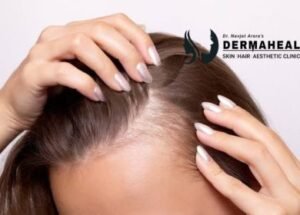
- More visible scalp
- Gradual thinning across the top of the scalp
- A receding hairline
- A slowly enlarging bald spot
- More hair shedding than usual
- Hair that appears less dense than it was previously
For women, a widening part or reduced ponytail thickness can be an early sign. For men, a receding hairline or thinning crown may appear first.
Recognizing these changes early gives you an opportunity to identify the cause before significant hair loss develops.
Hair Fall vs Hair Thinning: Are They the Same?
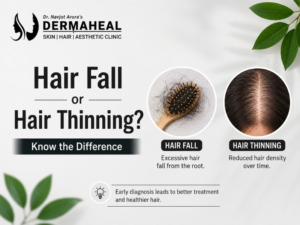
No. Hair fall and hair thinning are related but not exactly the same.
Hair fall or shedding means you are losing more hair strands than usual. Hair thinning refers to reduced hair density or smaller, finer hairs over time.
You can experience increased shedding without permanent thinning, while some people develop gradual thinning without noticing dramatic hair fall.
Dermaheal also explains that distinguishing between hair fall and hair thinning is important because the underlying causes and treatment approaches can differ.
How Is the Cause of Hair Thinning Diagnosed?
Before starting a hair-loss treatment, it is important to understand why your hair is thinning.
A dermatologist may ask about:
- When the thinning started
- Whether it developed suddenly or gradually
- Family history of hair loss
- Recent illness or stress
- Diet and weight changes
- Medications and supplements
- Hormonal symptoms
- Hair-care and styling habits
- Scalp symptoms
The dermatologist may also examine the scalp and hair closely. Depending on the suspected cause, blood tests or other investigations may sometimes be recommended.
There is no single hair-loss treatment that works for everyone. Treatment should be selected according to the diagnosis.
What Treatments Are Available for Hair Thinning?
Treatment depends on the cause and severity of hair loss.
Minoxidil
Minoxidil is one established treatment option for certain types of pattern hair loss. It can help reduce hair loss and stimulate some hair growth in appropriate patients.
Results take time, and continued use may be necessary to maintain benefits. The AAD notes that noticeable results can take several months.
Prescription Treatments
For certain types of hair loss, a dermatologist may recommend prescription medication.
For example, finasteride is an FDA-approved treatment for male pattern hair loss. It is not appropriate for everyone, and medication choices depend on factors such as the patient’s health, age, sex, and pregnancy considerations.
Prescription treatment should always be discussed with a qualified doctor.
PRP and Other Procedures
Some dermatology clinics also offer procedures such as platelet-rich plasma, commonly called PRP, as part of hair-loss management.
The suitability of PRP depends on the individual’s diagnosis and treatment goals. It should not be viewed as a universal solution for every type of hair loss.
The most appropriate approach is determined after assessing the scalp, hair pattern, and underlying cause.
Treating the Underlying Cause
If hair thinning is linked to an underlying problem, addressing that problem may be an important part of treatment.
For example, correcting a confirmed nutritional deficiency, managing a relevant medical condition, or changing damaging hairstyling habits may help improve hair health.
When Should You See a Dermatologist for Hair Thinning?
Consider seeing a dermatologist if:
- Hair thinning is getting progressively worse.
- Your scalp is becoming increasingly visible.
- You develop a bald patch.
- Your hairline is receding.
- Hair loss appears suddenly.
- You have scalp itching, scaling, redness, or pain.
- Hair loss occurs with other hormonal symptoms.
- You have tried products without improvement.
- Hair loss is affecting your confidence or daily life.
A dermatologist can help distinguish normal shedding from a medical hair-loss condition and determine whether treatment is appropriate.
Can Hair Thinning Be Prevented?
Not every type of hair thinning can be prevented, particularly when genetics plays a major role.
However, some habits can help protect your existing hair:
- Avoid repeatedly wearing very tight hairstyles.
- Handle wet hair gently.
- Avoid excessive heat and harsh chemical treatments.
- Maintain a balanced diet.
- Avoid taking hair supplements without professional advice.
- Treat persistent scalp conditions.
- Seek professional advice when thinning becomes noticeable.
The goal is not simply to buy more hair products. The priority is to identify the cause and choose an appropriate treatment plan.
Frequently Asked Questions
1. Can hair thinning grow back?
Hair thinning can improve or partially reverse when the underlying cause is treatable and the follicles remain healthy. Some types of hereditary hair loss may require ongoing treatment to maintain results.
2. What is the first sign of hair thinning?
Early signs can include a widening hair part, thinner ponytail, increasing scalp visibility, gradual overall thinning, a receding hairline, or a slowly developing bald spot.
3. Is hair thinning caused only by hair fall?
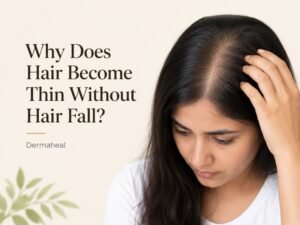
No. Hair thinning can occur gradually even when obvious shedding is not noticed. Genetics, hormonal changes, nutritional problems, stress, medical conditions, and other factors can contribute.
4. Does minoxidil reverse hair thinning?
Minoxidil can help reduce hair loss and stimulate some regrowth in certain types of hair loss. It does not work for everyone, and benefits generally require continued use.
5. When should I see a dermatologist for thinning hair?
See a dermatologist if thinning is persistent, worsening, sudden, patchy, associated with scalp symptoms, or accompanied by other health or hormonal changes. Early evaluation can help identify the cause and determine suitable treatment.
Recommended Links
https://dermaheal.co.in/#contact
https://dermaheal.co.in/gallery
https://dermaheal.co.in/results
https://dermaheal.co.in/treatments
Take Action Before Hair Thinning Progresses
Hair thinning does not always mean permanent hair loss. In many cases, identifying the cause early can make a meaningful difference in treatment options and outcomes.
If you are noticing a widening hair part, receding hairline, thinner ponytail, visible scalp, or progressive hair thinning, do not rely only on shampoos or supplements.
Book a consultation with a qualified dermatologist at Dermaheal Skin & Hair Clinic to understand the cause of your hair thinning and discuss a personalized treatment plan.
Early evaluation can help you protect the hair you still have and choose treatment based on your actual condition—not guesswork.