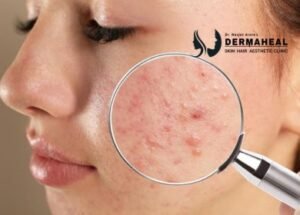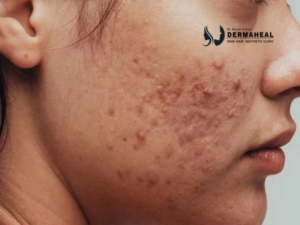


Melasma is a common pigmentation condition that causes brown, grey-brown, or darker patches on the skin. It most often appears on the face, especially the cheeks, forehead, upper lip, nose, and chin.
For people looking for melasma treatment in Delhi, understanding the cause is an important first step. Melasma can be triggered by sunlight, hormonal changes, certain medicines, genetics, and skin inflammation. It can also become darker with continued sun and visible-light exposure.
The good news is that melasma can often be improved and controlled. However, there is no single treatment that works for every person. A dermatologist may combine sun protection, topical medicines, skincare, and selected procedures depending on the type and severity of pigmentation.
What Is Melasma?
Melasma is a pigmentation disorder in which the cells that produce melanin become more active. It usually creates patches that are darker than your natural skin tone.
Common areas include:
- Cheeks
- Forehead
- Upper lip
- Nose
- Chin
- Jawline
Melasma is generally not harmful, but it can persist for months or years and may return after improvement. This is why treatment usually involves both reducing existing pigmentation and preventing new pigmentation.
A dermatologist can examine the skin and determine whether the pigmentation is actually melasma or another condition that may look similar. A Wood’s lamp or dermatoscope may sometimes be used during assessment.
What Causes Melasma?
There is no single cause of melasma. Several factors can contribute to its development or worsening.
Sun Exposure
Sunlight is one of the most important triggers. UV exposure can stimulate melanin production and make existing pigmentation darker.
Delhi’s strong outdoor sunlight and regular daily exposure can therefore make consistent sun protection particularly important for people prone to melasma.
Hormonal Changes
Melasma is often associated with hormonal changes. It may develop during pregnancy and can also be associated with hormonal medicines such as oral contraceptives.
Genetics
Some people are more likely to develop melasma because of family history and individual skin characteristics.
Skin Inflammation
Irritation caused by acne, harsh skincare products, excessive exfoliation, or friction may contribute to uneven pigmentation.
Visible Light
Visible light can also worsen melasma, particularly in people with darker skin tones. This is one reason dermatologists may recommend tinted sunscreen containing iron oxides in addition to regular UV protection.
What Is the Best Treatment for Melasma?
There is no single best melasma treatment for everyone.
The American Academy of Dermatology states that treatment commonly combines sun protection with topical medication and, in some cases, procedures. The treatment plan depends on factors such as skin tone, pigment depth, triggers, and individual response.
1. Daily Sunscreen
Sun protection is the foundation of melasma management.
A dermatologist may recommend a broad-spectrum, water-resistant sunscreen with SPF 30 or higher. When outdoors, sunscreen should be reapplied according to the product directions, especially after sweating or swimming.
For people with melasma, tinted sunscreen containing iron oxide may offer additional protection against visible light.
Other helpful measures include:
- Staying in the shade when possible
- Wearing a wide-brimmed hat
- Using sun-protective clothing
- Limiting unnecessary direct sun exposure
Sunscreen is important even when you are also using prescription creams or undergoing procedures.
2. Prescription Topical Treatments
Depending on the diagnosis, a dermatologist may prescribe topical medicines that help reduce excess pigmentation.
Commonly used ingredients may include:
- Hydroquinone
- Tretinoin
- Azelaic acid
- Kojic acid
- Vitamin C
- Combination prescription creams
Some treatments are stronger than others, and not every ingredient is appropriate for every person.
Using several active products without professional guidance can irritate the skin. Inflammation may make pigmentation more noticeable, so treatment should be selected according to your skin condition.
The AAD lists several topical treatments for melasma and recommends a personalised treatment plan rather than a universal approach.
3. Chemical Peels
Chemical peels can sometimes be used to improve pigmentation.
A controlled chemical solution is applied to the skin to affect its outer layers. Depending on the peel and the patient’s skin, this may help improve uneven tone.
However, stronger treatment does not always mean better results.
For Indian skin and other higher-melanin skin types, unnecessary irritation may increase the risk of post-inflammatory pigmentation. Therefore, the type, strength, and frequency of a peel should be selected carefully.
4. Cosmelan and Dermamelan
Dermatologist-led pigmentation programs may use depigmenting systems such as Cosmelan or Dermamelan as part of a broader treatment plan.
These approaches may combine in-clinic treatment with home care and strict sun protection.
At Dermaheal Skin & Hair Clinic in Dwarka, the clinic states that its pigmentation and melasma pathway can include prescription topicals, Cosmelan, Dermamelan, chemical peels, and Q-switch treatment depending on the diagnosis.
The important point is that the treatment should be selected after identifying whether the pigmentation is melasma, post-inflammatory pigmentation, sun spots, or another condition.
5. Laser and Light-Based Treatments
Laser and light-based procedures may be considered for selected pigmentation concerns.
However, melasma needs careful treatment planning. Aggressive procedures can irritate the skin and may worsen pigmentation in some people.
The AAD notes that laser and light treatments may sometimes be added to topical medication and sun protection rather than being treated as a universal first-line solution.
For Indian skin, treatment settings and procedure selection should be based on individual skin characteristics.
Can Melasma Be Permanently Cured?
Melasma can often be controlled and significantly improved, but it can return.
This is because the condition can be influenced by ongoing factors such as sunlight, hormones, and inflammation.
Think of melasma management in two stages:
Treatment: Reduce existing pigmentation and improve uneven skin tone.
Maintenance: Continue sun protection and appropriate skincare to reduce recurrence.
Even after your skin improves, continuing the recommended maintenance routine can be important.
How Long Does Melasma Treatment Take?
Melasma usually does not improve overnight.
The timeline depends on:
- How long you have had melasma
- Pigment depth
- Skin type
- Triggering factors
- Previous treatments
- Consistency with treatment
- Response to therapy
The American Academy of Dermatology states that treatment commonly takes 3 to 12 months to show results, although the timeline can vary and longer-standing melasma may take more time.
Be cautious of treatments that promise completely clear skin within a few days or after one session.
What Should You Avoid If You Have Melasma?
If you have persistent pigmentation, avoid constantly changing products or using aggressive treatments without professional guidance.
Try to avoid:
- Harsh scrubbing
- Excessive exfoliation
- Unsupervised strong chemical peels
- Unknown skin-lightening products
- Random steroid-containing fairness creams
- Picking or rubbing the skin
- Using multiple strong active ingredients together
Gentle skincare is generally preferable when managing pigmentation. The AAD recommends fragrance-free, gentle products because irritation can make dark spots more noticeable.
When Should You See a Dermatologist for Melasma?
You should consider seeing a dermatologist if:
- Dark patches keep returning
- Pigmentation is becoming darker
- Home skincare is not helping
- You are unsure whether you actually have melasma
- Pigmentation developed after hormonal changes
- Your skin becomes irritated after using pigmentation products
- You have tried several treatments without improvement
A dermatologist can examine the pigmentation and determine whether it is melasma or another condition.
This matters because not every dark patch should be treated in the same way.
Melasma Treatment in Delhi: Why Diagnosis Matters
If you are searching for melasma treatment in Delhi, avoid choosing a procedure simply because it is advertised as the fastest option.
The first step should be understanding the pigmentation.
At Dermaheal Skin & Hair Clinic in Dwarka, the clinic states that its pigmentation and melasma approach begins with diagnosis and then uses layered treatment such as prescription topicals and selected in-clinic therapies according to the patient’s condition. It also describes its protocols as being calibrated for Indian skin.
This approach is useful because melasma, post-inflammatory pigmentation, and sun-induced pigmentation may require different treatment strategies.
Dermatologist in Dwarka for Melasma and Pigmentation
If you are in West Delhi or nearby areas and searching for a Dermatologist in Dwarka, consider a consultation when pigmentation is persistent, recurring, or difficult to manage with regular skincare.
A professional assessment can help you understand:
- What type of pigmentation you have
- Possible triggers
- Whether topical treatment is appropriate
- Whether an in-clinic procedure may help
- How to protect your skin from further pigmentation
- What type of maintenance routine you may need
The goal should be a treatment plan based on your skin rather than simply selecting the most aggressive procedure.
Frequently Asked Questions
1. What is the best treatment for melasma in Delhi?
There is no single best treatment for everyone. A dermatologist may recommend a combination of sun protection, topical medicines, skincare, and selected procedures depending on the type and severity of melasma.
2. Can melasma be permanently cured?
Melasma can often be improved and controlled, but it can return. Long-term sun protection and maintenance skincare are important because melasma can be influenced by sunlight, hormones, and other triggers.
3. Is laser treatment safe for melasma?
Laser treatment may be appropriate for selected patients, but it requires careful assessment and treatment settings. Aggressive treatment may irritate the skin or worsen pigmentation in some people.
4. Does sunscreen help with melasma?
Yes. Daily sun protection is a key part of melasma management. Broad-spectrum SPF 30 or higher is generally recommended. Tinted sunscreen containing iron oxide may provide additional protection against visible light.
5. When should I see a dermatologist for melasma?
See a dermatologist when pigmentation is persistent, worsening, recurring, difficult to diagnose, or not improving with basic skincare. A dermatologist can confirm the diagnosis and discuss appropriate treatment options.
Suggested Links
https://dermaheal.co.in/#contact
https://dermaheal.co.in/gallery
https://dermaheal.co.in/doctors
https://dermaheal.co.in/treatments
Ready to Take the Next Step?
Persistent melasma can be frustrating, especially when pigmentation keeps returning despite skincare.
Instead of repeatedly changing creams or trying aggressive procedures, start with a professional assessment to understand the cause and depth of your pigmentation.
Book a consultation with a dermatologist at Dermaheal Skin & Hair Clinic in Dwarka to discuss your melasma and receive a personalised treatment approach.
Visit Dermaheal Skin & Hair Clinic
Address:
C-712, Ramphal Chowk, Block D, Sector 7 Dwarka, Palam, near Shiksha Bharti School, New Delhi 110075
Phone: +91 80809 10191
Clinic Hours:
Monday to Saturday: 10:00 AM – 7:30 PM
Sunday: 10:00 AM – 7:00 PM
Call +91 80809 10191 to book your consultation and take the first step toward a structured, dermatologist-led approach to managing melasma and pigmentation.