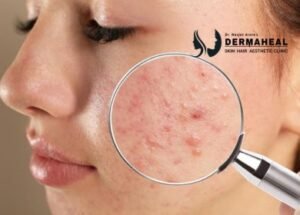

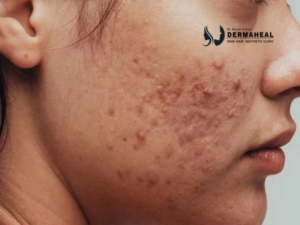
You completed your acne treatment, your skin started looking clearer, and you finally felt like the breakouts were under control. Then, a few weeks or months later, new pimples appeared.
So, why does acne keep coming back even after treatment?
The short answer is that acne is often a recurring skin condition rather than a problem that disappears permanently after one course of treatment. Treatment can control existing breakouts, but the underlying tendency toward clogged pores, excess oil, inflammation, hormonal changes, or other triggers may continue. This is why some people need a long-term acne management or maintenance plan.
Why Does Acne Come Back After Treatment?
There is no single reason why acne returns. Several factors can contribute to recurring breakouts.
1. Acne Treatment Was Stopped Too Early
One of the most common reasons acne returns is stopping treatment as soon as the skin looks better.
Acne treatments usually need time to work. The American Academy of Dermatology notes that people may need 6 to 8 weeks before seeing fewer breakouts. Treatment is also often continued or adjusted after improvement to help prevent new acne.
If medication is stopped suddenly without discussing it with your dermatologist, the factors contributing to acne may become active again.
2. There Was No Maintenance Routine
Clearing acne and preventing future acne are two different goals.
Once active acne improves, some people may benefit from maintenance treatment. Guidelines from NICE recommend considering maintenance therapy for people who have a history of frequent acne relapse. Options can include topical adapalene with benzoyl peroxide, or alternatives such as adapalene, azelaic acid, or benzoyl peroxide when appropriate.
Your dermatologist can decide whether maintenance treatment is appropriate for your skin.
3. Hormonal Changes Can Trigger New Breakouts
Hormones can influence oil production and acne activity. Changes associated with puberty, menstrual cycles, pregnancy, certain medications, or hormonal conditions can contribute to recurring acne.
Dermaheal also identifies hormonal triggers, including PCOS and androgen-related factors, among possible contributors to acne.
If acne repeatedly appears around the jawline, chin, or lower face, particularly alongside other symptoms of hormonal changes, a dermatologist may evaluate whether hormonal factors are contributing.
4. Your Skincare Products May Be Clogging Pores
Even when acne medication is working, unsuitable skincare or makeup can contribute to clogged pores.
Look for products labelled oil-free or non-comedogenic, particularly if your skin is acne-prone. Avoid constantly changing products or using harsh scrubs to remove oil.
The AAD recommends gentle skincare and warns that irritating the skin through aggressive scrubbing can contribute to more breakouts.
5. Stress and Lifestyle Factors May Contribute
Stress and lifestyle factors may play a role in acne for some people. Poor sleep, high stress, sweating, and habits that irritate the skin can make acne management more difficult.
However, acne is not simply caused by being stressed or having an unhealthy lifestyle. It is a complex skin condition, and lifestyle changes should complement—not replace—appropriate treatment.
6. The Treatment May Not Match the Type or Severity of Acne
Not every breakout that looks like acne is actually acne, and different forms of acne can require different approaches.
For example, folliculitis and perioral dermatitis can sometimes resemble acne but require different management. The AAD recommends an accurate diagnosis before developing a treatment plan.
If your acne keeps returning despite following treatment correctly, it may be time to reassess the diagnosis and treatment strategy.
Can Acne Be Permanently Cured?
There is no guarantee that acne will never return.
Acne can have a chronic or recurring tendency, which means treatment is often focused on controlling existing acne, preventing new breakouts, and reducing the risk of acne scars.
The good news is that recurring acne can often be managed effectively with an individualized treatment and maintenance plan. Current dermatology guidelines include topical retinoids, benzoyl peroxide, certain antibiotics, azelaic acid, salicylic acid, hormonal treatments for appropriate patients, and isotretinoin for selected cases such as severe acne or acne that has not responded adequately to standard treatments.
The right treatment depends on the type and severity of acne, your medical history, and other individual factors.
What Should You Do If Acne Keeps Coming Back?
If your acne repeatedly returns, avoid continuously switching between random creams, face washes, and home remedies.
Instead:
- Review your previous treatment with a dermatologist.
- Check whether you stopped treatment too early.
- Ask whether you need maintenance therapy.
- Review your skincare and makeup products.
- Look for possible hormonal or medication-related triggers.
- Avoid picking or squeezing pimples, which can increase inflammation and the risk of marks and scars.
- Give your treatment enough time to work unless your dermatologist advises otherwise.
- Seek professional assessment if acne is painful, severe, persistent, or leaving scars.
Current acne guidelines emphasize that treatment should be individualized rather than using one approach for everyone.
When Should You See a Dermatologist for Recurring Acne?
Consider seeing a dermatologist if:
- Acne continues despite consistent treatment.
- Painful cysts or nodules are developing.
- Acne is leaving dark marks or scars.
- Breakouts are becoming more frequent or severe.
- Acne is affecting your confidence or daily life.
- You are unsure whether the condition is actually acne.
- You have frequent relapses after previous treatment.
At Dermaheal Skin & Hair Clinic in Dwarka, acne care focuses on assessing the cause and severity of active acne before developing an individualized treatment plan. Its acne programme describes prescription topical and oral treatment when needed, followed by targeted approaches for acne marks and scars once active acne is controlled.
Explore Dermaheal’s Acne & Acne Scars treatment page
How to Prevent Acne From Coming Back
There is no guaranteed way to prevent every future breakout, but consistent skincare and appropriate maintenance can help reduce recurrence.
A simple routine may include:
- A gentle cleanser.
- Acne treatment prescribed or recommended for your skin.
- A non-comedogenic moisturizer.
- Broad-spectrum sunscreen.
- Avoiding harsh scrubs and unnecessary exfoliation.
- Regularly cleaning items that touch your face, such as phones and pillowcases.
- Following your dermatologist’s maintenance instructions.
Most importantly, do not restart prescription acne medicines on your own after a relapse. Your skin may need a different treatment depending on what has changed.
FAQ: Recurring Acne After Treatment
1. Why does acne come back after treatment?
Acne can return because the underlying tendency toward clogged pores, oil production, inflammation, or hormonal triggers may continue even after existing pimples clear. Some people also need maintenance treatment to reduce frequent relapses.
2. Can acne come back after successful treatment?
Yes. Successful treatment can clear existing acne, but it does not always eliminate the tendency to develop future breakouts. A suitable maintenance routine may help people who experience frequent recurrence.
3. How long does acne treatment take to work?
Many acne treatments require several weeks before noticeable improvement. The AAD states that it can take around 6 to 8 weeks to start seeing fewer breakouts.
4. Should I continue acne treatment after my skin clears?
It depends on your acne history and treatment plan. Some people may benefit from maintenance therapy, particularly if they frequently experience relapse. Discuss the appropriate duration with your dermatologist rather than stopping or continuing prescription treatment without guidance.
5. When should I see a dermatologist for acne that keeps returning?
See a dermatologist if acne is persistent, painful, severe, repeatedly returning after treatment, or causing scars or dark marks. A dermatologist can confirm the diagnosis and develop a treatment plan based on your individual skin and acne type.
Recommended Links
For your Dermaheal website, consider adding these contextual internal links:
https://dermaheal.co.in/#contact
These links can help users move naturally from informational content to relevant treatment and expert information.
Take the Next Step for Recurring Acne
Recurring acne does not mean that your previous treatment failed. It may mean that your skin needs a different treatment strategy, a longer-term maintenance plan, or a closer look at factors contributing to repeated breakouts.
If acne keeps coming back despite consistent care, get your skin assessed instead of repeatedly trying new products on your own.
Book a consultation with Dermaheal Skin & Hair Clinic and discuss a personalized approach to controlling active acne, preventing future breakouts, and protecting your skin from acne marks and scars.