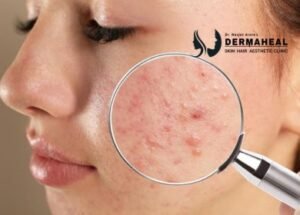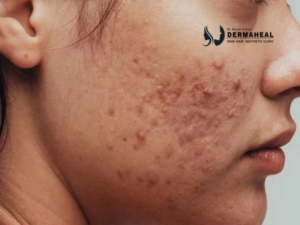


Melasma is a common pigmentation problem that causes brown, grey-brown, or darker patches to appear on the face. It is especially noticeable on areas such as the cheeks, forehead, nose, chin, and above the upper lip.
If you have Indian or another medium-to-deep skin tone, you may notice pigmentation becoming darker after sun exposure or skin irritation. This often leads to an important question: What causes melasma in Indian skin, and can it be treated effectively?
The good news is that melasma can often be improved with the right treatment and consistent sun protection. However, it can be a long-term condition and may return when triggers are not controlled. There is no single treatment that works for everyone, so treatment should be selected according to your skin type, pigmentation depth, triggers, and medical history.
What Is Melasma?
Melasma is a skin condition in which pigment-producing cells called melanocytes become more active and produce excess melanin.
It usually appears as uneven, symmetrical patches of pigmentation on the face. Common areas include:
- Cheeks
- Forehead
- Nose
- Chin
- Upper lip
- Jawline
Melasma usually does not cause pain or itching. The main concern is uneven skin colour and persistent pigmentation.
In darker skin tones, melasma can sometimes appear deeper or more noticeable. The colour may range from light brown to dark brown or even bluish-grey depending on the depth of pigment.
Why Is Melasma Common in Indian Skin?
Melasma can affect people of all skin tones, but pigmentation disorders may be particularly noticeable in people with medium to darker skin.
One important reason is that melanocytes in darker skin can respond strongly to environmental and inflammatory triggers. Visible light can also worsen pigmentation, which is particularly relevant for people with darker skin tones.
This does not mean that every person with Indian skin will develop melasma. Genetics, hormones, sun exposure, skincare habits, and individual susceptibility all play a role.
What Triggers Melasma?
There is usually not one single cause. Melasma can develop when several factors activate pigment production.
1. Sun Exposure
Sun exposure is one of the most important melasma triggers.
UV radiation can stimulate melanin production, which may darken existing patches and contribute to new pigmentation. This is why melasma can become more noticeable during periods of increased outdoor exposure.
Visible light can also worsen melasma, particularly in people with darker skin tones. This is one reason dermatologists may recommend tinted sunscreen containing iron oxides for people with pigmentation concerns.
2. Hormonal Changes
Hormones can play an important role in melasma.
The condition is commonly associated with pregnancy, which is why melasma is sometimes called the “mask of pregnancy.” Hormonal contraception and other hormonal changes may also act as triggers in some people.
Not everyone with hormonal changes develops melasma, so the relationship varies from person to person.
3. Pregnancy
Pregnancy-related hormonal changes can trigger melasma or make existing pigmentation more visible.
In some people, pigmentation may become lighter after pregnancy. In others, it can persist and require treatment.
4. Heat and Environmental Exposure
Heat and prolonged environmental exposure may contribute to worsening pigmentation in some individuals.
For someone living in a hot and sunny climate, daily photoprotection can therefore be an important part of managing melasma.
5. Skin Irritation
Aggressive skincare can make pigmentation more difficult to control.
Strong exfoliation, irritating products, or products that cause burning and stinging may trigger inflammation. In darker skin tones, inflammation can sometimes lead to increased pigmentation.
For this reason, a gentle skincare routine is generally preferable to repeatedly trying harsh products.
6. Stress and Other Individual Triggers
Stress has been reported as a possible trigger for melasma in some people. Certain medications and other individual factors may also contribute.
Because triggers differ between individuals, identifying what makes your pigmentation darker can be an important part of long-term management.
How Do You Know If You Have Melasma?
Melasma commonly appears as uneven brown or grey-brown patches, often on both sides of the face.
Typical locations include:
- Both cheeks
- Forehead
- Upper lip
- Nose
- Chin
A dermatologist can often diagnose melasma by examining the skin. In some cases, tools such as a Wood’s lamp or dermatoscope can help assess pigmentation and its depth. If another skin condition is suspected, additional evaluation may be needed.
This is important because not every dark patch on the face is melasma. Post-inflammatory hyperpigmentation and other pigmentation conditions can look similar but may require different treatment.
How Is Melasma Treated?
There is no single best treatment for melasma. A dermatologist may combine different approaches depending on the individual’s skin and pigmentation.
1. Daily Sun Protection
Sun protection is the foundation of melasma management.
A dermatologist may recommend a broad-spectrum, water-resistant sunscreen with SPF 30 or higher. For people with melasma, a tinted sunscreen containing iron oxide can provide additional protection against visible light.
Helpful habits include:
- Apply sunscreen every day.
- Reapply when spending extended time outdoors.
- Wear a wide-brimmed hat when possible.
- Seek shade during strong sunlight.
- Consider tinted sunscreen with iron oxide.
- Avoid tanning beds and deliberate tanning.
Consistent protection is important because treatment may be less effective if pigmentation continues to be triggered by sunlight.
2. Prescription Creams
Depending on the diagnosis, a dermatologist may prescribe topical treatments that reduce excess pigmentation.
Options may include hydroquinone, tretinoin-based combinations, azelaic acid, kojic acid, or other pigment-targeting treatments. The appropriate choice depends on your skin and medical history.
Prescription treatments should not be used indefinitely or without medical guidance.
3. Chemical Peels
Chemical peels may be considered for selected patients with melasma.
A dermatologist chooses the type and strength of peel according to the individual’s skin and pigmentation. Incorrectly performed or overly aggressive peels can cause irritation and potentially worsen pigmentation, especially in darker skin.
4. Microneedling
Microneedling may be used as part of a treatment plan for some pigmentation concerns.
It may be combined with topical treatment when appropriate. However, procedures should be selected carefully because skin irritation can sometimes worsen pigmentation.
5. Laser and Light-Based Treatments
Laser or light-based procedures may be considered in selected cases, particularly when topical treatment and sun protection have not produced sufficient improvement.
These procedures require careful patient selection because pigmentation can sometimes become worse after certain energy-based treatments. A qualified dermatologist should determine whether a procedure is appropriate.
6. Tranexamic Acid
Tranexamic acid may be considered for some people with difficult-to-treat melasma.
It can be used in topical or oral forms depending on the treatment plan. Oral tranexamic acid is not suitable for everyone, so a dermatologist needs to review relevant medical history and potential risks before prescribing it.
Can Melasma Be Permanently Cured?
Melasma can often be improved, but it may be a recurring condition.
Some cases fade when an underlying trigger, such as pregnancy or a medication, is no longer present. Other cases can persist for years.
Even after the pigmentation improves, continued sun protection and appropriate maintenance care are important because melasma can return. Dermatology guidance notes that treatment may take several months, and improvement can vary depending on how long the condition has been present.
The goal is therefore not only to lighten existing pigmentation but also to reduce the factors that cause it to return.
How Can You Prevent Melasma From Getting Darker?
A simple daily routine can make a significant difference.
Morning:
- Use a gentle cleanser.
- Apply dermatologist-recommended skincare.
- Use a broad-spectrum SPF 30+ sunscreen.
- Consider tinted sunscreen containing iron oxide.
- Use sun-protective clothing or a hat when outdoors.
Evening:
- Cleanse gently.
- Apply prescribed pigmentation treatment if recommended.
- Use a suitable moisturizer.
Avoid repeatedly changing products or using harsh DIY remedies. If a skincare product burns or stings, it may be irritating your skin and potentially making pigmentation more noticeable.
When Should You See a Dermatologist for Melasma?
Consider professional evaluation if:
- Facial pigmentation is persistent.
- Dark patches are becoming more noticeable.
- Pigmentation returns repeatedly.
- Home remedies are not helping.
- Your skin becomes irritated after using pigmentation products.
- You are considering chemical peels, lasers, or other procedures.
- You are unsure whether the pigmentation is actually melasma.
A dermatologist can confirm the diagnosis and create a treatment plan based on your skin type, pigmentation pattern, possible triggers, and treatment history.
Frequently Asked Questions About Melasma
1. What is the main cause of melasma?
Melasma usually has multiple contributing factors rather than one single cause. Sun exposure, hormonal changes, pregnancy, certain medications, stress, and individual genetic susceptibility can contribute.
2. Is melasma common in Indian skin?
Melasma can occur in people of all skin tones and can be particularly noticeable in medium-to-dark skin. Visible light can also worsen pigmentation in darker skin tones.
3. Can sunscreen help with melasma?
Yes. Daily sun protection is a key part of melasma management. Dermatologists may recommend broad-spectrum SPF 30 or higher, and tinted sunscreen containing iron oxide can provide protection against visible light that may worsen pigmentation.
4. What is the best treatment for melasma?
There is no single best treatment for everyone. Treatment may include sun protection, prescription creams, chemical peels, microneedling, laser or light-based procedures, or other options depending on the individual’s condition.
5. Can melasma come back after treatment?
Yes. Melasma can recur, particularly when triggers such as sun exposure continue. Consistent sun protection and dermatologist-guided maintenance care can help manage the risk of recurrence.
Recommended Links
https://dermaheal.co.in/#contact
https://dermaheal.co.in/gallery
https://dermaheal.co.in/doctors
https://dermaheal.co.in/treatments
https://dermaheal.co.in/results
Take the Next Step for Melasma
Melasma is not simply a cosmetic issue that can always be solved with a single cream. It can be influenced by sunlight, hormones, skin irritation, and individual factors, which is why treatment needs to be personalized.
If you are dealing with persistent facial pigmentation, recurring melasma, or uneven skin tone, avoid experimenting with harsh treatments on your own.
Book a consultation with a qualified dermatologist at Dermaheal Skin & Hair Clinic to identify the likely triggers and discuss a personalized approach to managing melasma and improving your skin tone.
Start with the right diagnosis, protect your skin consistently, and give your treatment enough time to work.