

Healthy skin can be affected by acne scars, fine lines, uneven texture and visible signs of sun damage. While skincare products may help maintain skin health, some concerns require professional dermatological treatment. CO2 laser treatment in Dwarka is one option that dermatologists may recommend for selected skin concerns, especially acne scars, wrinkles and rough skin texture.
At Dermaheal Skin & Hair Clinic, Fractional CO2 Laser Resurfacing is available as a dermatologist-led treatment. The procedure works by creating controlled microscopic areas of injury in the skin, encouraging collagen renewal and gradual skin improvement.
But is CO2 laser treatment suitable for every skin problem? What concerns can it address, and what should you expect during recovery? This guide explains how the treatment works and why a dermatologist’s assessment is important before starting.
What Is CO2 Laser Treatment?
CO2 laser treatment is a skin resurfacing procedure that uses carbon dioxide laser energy to improve selected skin concerns. Fractional CO2 laser technology treats tiny, targeted areas of the skin while leaving surrounding tissue untreated.
This process supports the skin’s natural healing response and stimulates collagen production. Collagen is a protein that helps maintain skin structure, firmness and elasticity.
Fractional CO2 laser treatment may help improve:
- Acne scars and selected surgical scars
- Fine lines and wrinkles
- Rough or uneven skin texture
- Enlarged pores associated with uneven texture
- Selected sun-related skin changes
- Mild skin laxity
The results depend on the type of concern, skin characteristics, treatment settings and aftercare. A dermatologist can determine whether fractional CO2 laser is an appropriate option.
Which Skin Concerns Can CO2 Laser Treatment Address?
1. Acne Scars
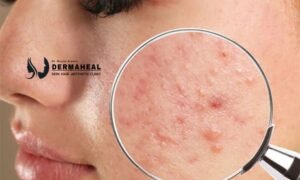
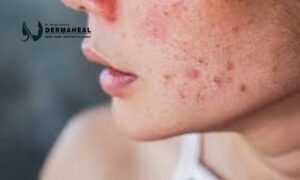
Acne scars can remain long after active acne has healed. Depressed scars may create an uneven skin surface that is difficult to improve with ordinary skincare products.
Fractional CO2 laser treatment stimulates collagen remodelling, which may help soften the appearance of selected depressed acne scars over time.
However, not every acne scar responds in the same way. Deep, narrow scars, rolling scars and tethered scars may require different or combined treatments. A dermatologist may recommend options such as subcision, microneedling radiofrequency or TCA CROSS, depending on the scar type.
If acne is still active, controlling breakouts may also be necessary before starting a scar treatment.
2. Fine Lines and Wrinkles
Fine lines can develop because of ageing, repeated facial expressions, sun exposure and gradual changes in collagen.
CO2 laser resurfacing may improve the appearance of selected fine lines by encouraging collagen renewal and improving the skin’s surface.
It may be considered for certain lines around the cheeks, mouth and other treated areas. However, deeper wrinkles may need a different approach or a combination of treatments.
The goal is to improve skin texture and soften visible lines, not to guarantee completely wrinkle-free skin.
3. Uneven Skin Texture
Skin may feel rough or appear uneven because of previous acne, ageing, sun exposure or changes in collagen structure.
Fractional CO2 laser treatment creates controlled micro-injuries that stimulate the skin’s repair process. As healing progresses, the treated area may develop a smoother appearance.
This treatment may be useful for people who want to improve rough skin texture and selected surface irregularities. A dermatologist will assess whether laser resurfacing or another procedure is better suited to the concern.
4. Enlarged Pores
Visible pores can be influenced by genetics, excess oil, age and reduced skin elasticity. Although pores cannot be permanently removed, their appearance may sometimes be reduced through appropriate dermatological treatment.
CO2 laser treatment may help improve the surrounding skin texture and firmness, making some pores less noticeable.
However, it is not a universal solution for enlarged pores. Treatments such as microneedling radiofrequency, medical skincare or other procedures may be more appropriate depending on the cause.
5. Selected Sun Damage and Pigmentation
Sun exposure can contribute to uneven skin tone, rough texture and certain dark spots. In selected cases, laser resurfacing may improve some visible signs of sun damage.
However, not all pigmentation should be treated with CO2 laser. Melasma, post-inflammatory hyperpigmentation and other pigmentation conditions need different treatment approaches.
People with Indian skin tones may be more prone to post-inflammatory darkening after irritating or aggressive procedures. For this reason, a dermatologist should identify the type of pigmentation and assess the risk before recommending laser treatment.
For melasma, other approaches may be more suitable, and CO2 laser is not automatically the first choice.
6. Mild Skin Laxity
As collagen and elastin change with age, skin may gradually lose some firmness. Fractional CO2 laser treatment can stimulate collagen remodelling and may provide modest improvement in selected cases.
It is important to have realistic expectations. Laser resurfacing does not replace surgery and may not provide significant lifting for advanced skin laxity.
A dermatologist can explain whether CO2 laser, radiofrequency-based treatment or another option is more appropriate.
How Does Fractional CO2 Laser Treatment Work?
The treatment generally involves four steps:
- Skin consultation: The dermatologist evaluates your skin concern, medical history, skin type and previous treatments.
- Skin preparation: The treatment area is cleaned, and a numbing cream may be applied to improve comfort.
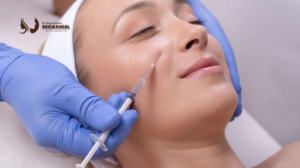
- Laser procedure: The device delivers controlled laser energy to selected areas of the skin.
- Post-treatment care: The skin is cooled or soothed, and the dermatologist provides instructions for recovery.
The session duration varies according to the treatment area and plan. Dermaheal lists an approximate procedure time of 30–60 minutes for its Fractional CO2 Laser Resurfacing treatment.
What Is the Recovery Time After CO2 Laser Treatment?
Recovery depends on the intensity of the procedure, individual skin response and the area treated.
Temporary redness, swelling, warmth, sensitivity, dryness and peeling may occur. Some people may experience pinpoint crusting as the skin heals.
Dermaheal lists an estimated downtime of approximately five to seven days for its Fractional CO2 treatment. Actual recovery can vary, and redness may last longer in some patients.
To support healing:
- Follow your dermatologist’s aftercare instructions.
- Use only recommended gentle cleansers and moisturisers.
- Apply broad-spectrum sunscreen as advised.
- Avoid picking, rubbing or peeling healing skin.
- Avoid harsh exfoliants and active skincare ingredients until your dermatologist approves them.
- Contact your clinic if you develop increasing pain, unusual swelling, pus or other signs of infection.
Is CO2 Laser Treatment Safe for Indian Skin?
CO2 laser treatment can be considered for suitable Indian skin types, but careful treatment planning is essential.
Skin with higher melanin levels may be more likely to develop post-inflammatory hyperpigmentation after certain laser procedures. Incorrect settings, excessive treatment intensity or inadequate aftercare may increase this risk.
A qualified dermatologist should assess your skin tone, pigmentation history, current skin condition and tendency to develop dark marks before treatment. The dermatologist may recommend a different procedure if the potential risks outweigh the expected benefits.
CO2 laser is not suitable for everyone. Active skin infections, certain inflammatory conditions and other medical factors may affect treatment eligibility.
How Many CO2 Laser Sessions Are Needed?
The number of sessions depends on the concern being treated and the degree of improvement required. Some people may need multiple sessions, with sufficient recovery time between treatments.
Collagen remodelling continues after the procedure, so improvement may develop gradually over several weeks or months. Results also vary from person to person.
During your consultation, ask about the expected number of sessions, treatment intervals, recovery period and realistic outcomes for your specific concern.
Why Consult Dermaheal for CO2 Laser Treatment in Dwarka?
Dermaheal Skin & Hair Clinic provides Fractional CO2 Laser Resurfacing under dermatologist-led care. Treatment planning is based on the skin concern, individual assessment and suitability for laser resurfacing.
Before choosing a procedure, discuss your expectations, possible side effects, alternative treatments and aftercare requirements with your dermatologist.
Clinic details:
- Clinic: Dermaheal Skin & Hair Clinic
- Address: C-712, Ramphal Chowk, Block D, Sector 7, Dwarka, Palam, near Shiksha Bharti School, New Delhi – 110075
- Phone: +91 80809 10191 / +91 73794 64999
- Email: info.dermaheal@gmail.com
- Hours: Monday–Saturday, 10:00 AM–7:30 PM; Sunday, 10:00 AM–7:00 PM
Frequently Asked Questions
1. What skin problems can CO2 laser treatment address?
CO2 laser treatment may improve selected acne scars, fine lines, wrinkles, uneven skin texture and certain signs of sun damage. Suitability depends on the skin condition and a dermatologist’s assessment.
2. Is CO2 laser treatment effective for acne scars?
Fractional CO2 laser may help improve selected depressed acne scars by stimulating collagen remodelling. Deep or tethered scars may require combination treatments for better results.
3. How long does CO2 laser recovery take?
Initial recovery commonly takes several days. Dermaheal lists approximately five to seven days of downtime for its Fractional CO2 treatment, although redness and sensitivity may persist longer.
4. Can CO2 laser treatment remove pigmentation?
It may improve selected pigmentation-related concerns, but it is not suitable for every type of dark spot. Melasma and pigmentation-prone skin require careful evaluation because laser treatment can sometimes worsen darkening.
5. How can I book CO2 laser treatment in Dwarka?
You can contact Dermaheal Skin & Hair Clinic at +91 80809 10191 or +91 73794 64999 to arrange a consultation. The dermatologist can assess your skin and discuss suitable treatment options.
Book Your CO2 Laser Consultation at Dermaheal
If acne scars, fine lines or uneven skin texture are affecting your confidence, professional guidance can help you understand your options. The right treatment begins with identifying your skin concern and choosing a suitable approach.
Book a consultation at Dermaheal Skin & Hair Clinic in Dwarka to discuss Fractional CO2 Laser Resurfacing, expected results, recovery and personalised aftercare.
Call +91 80809 10191 or +91 73794 64999 to schedule your appointment.
Explore More from Dermaheal
https://dermaheal.co.in/#contact
https://dermaheal.co.in/gallery
https://dermaheal.co.in/doctorshttps://dermaheal.co.in/doctors